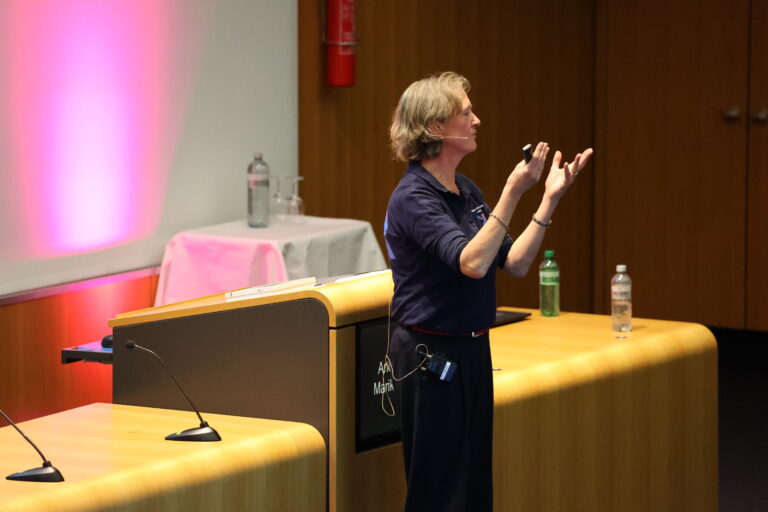
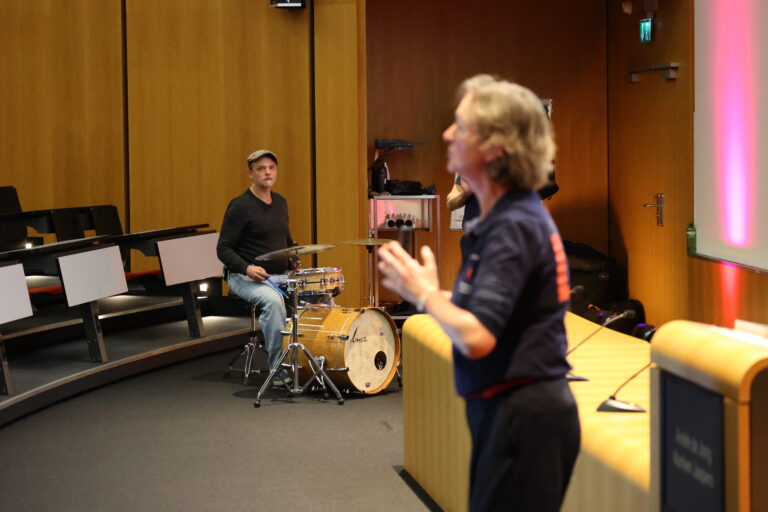
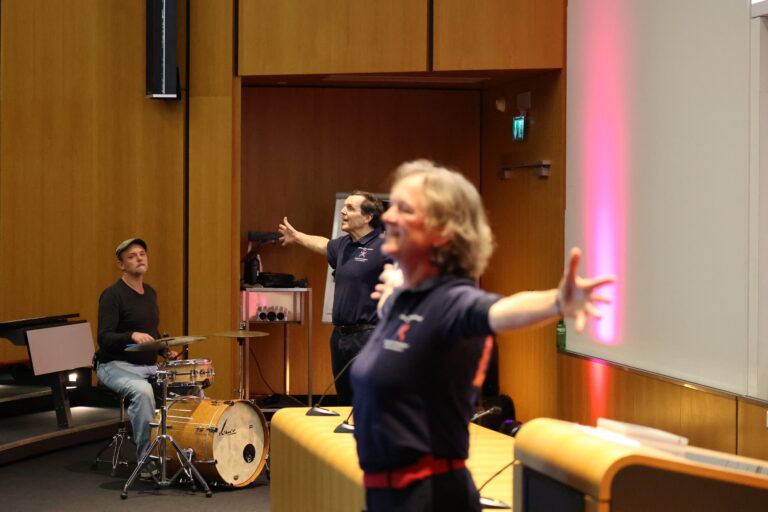
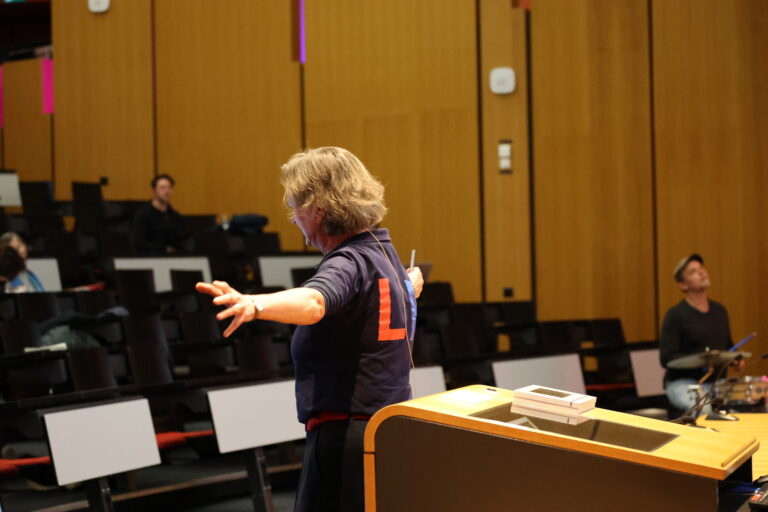
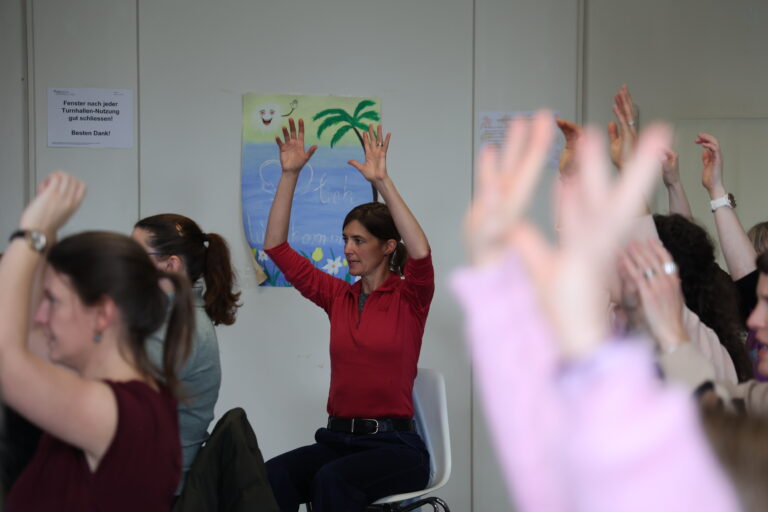
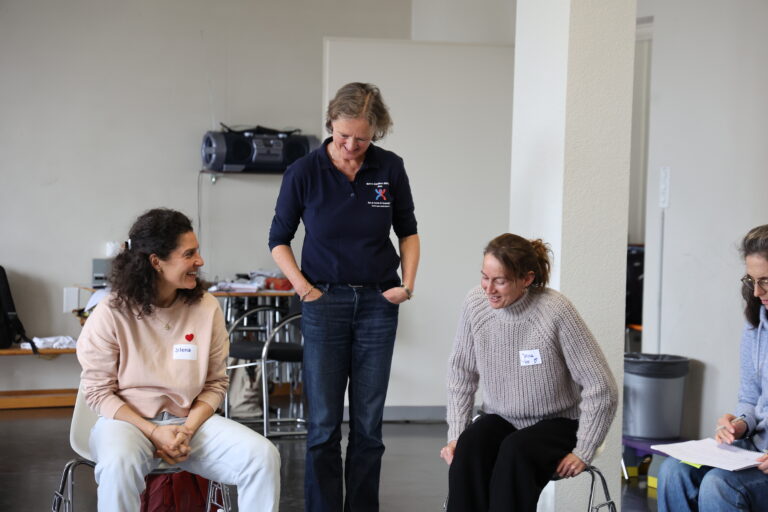
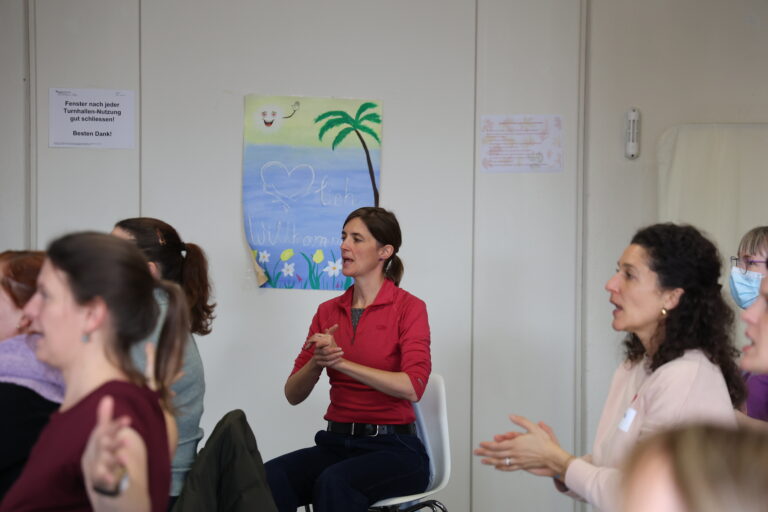
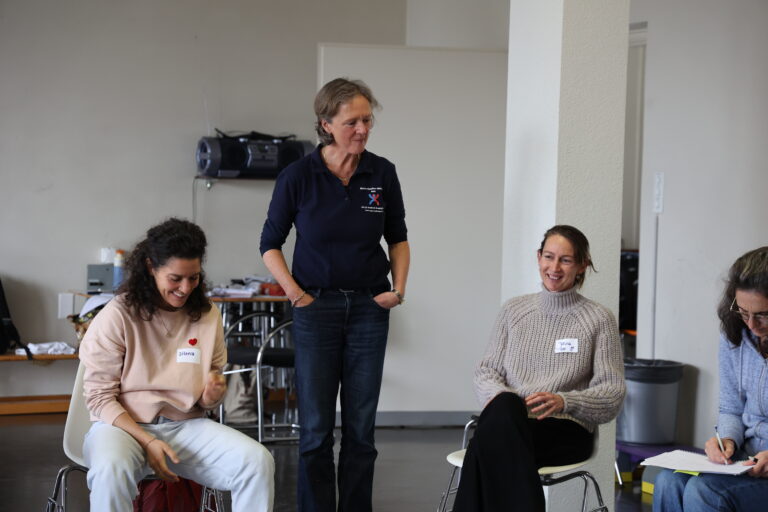
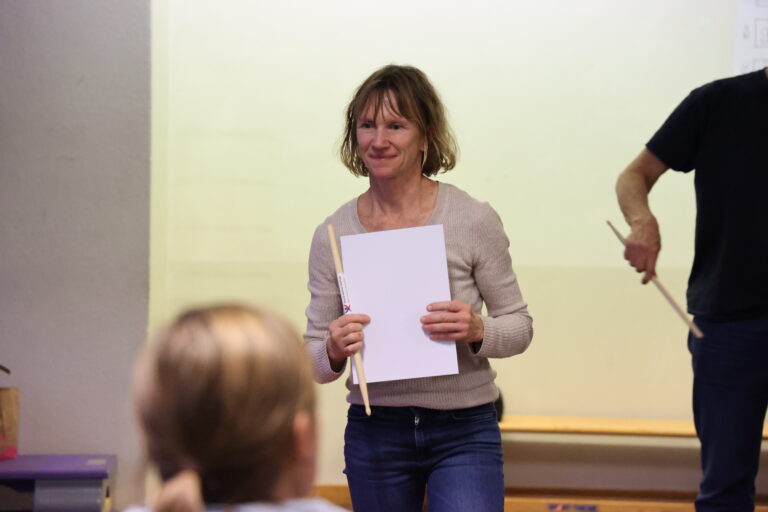
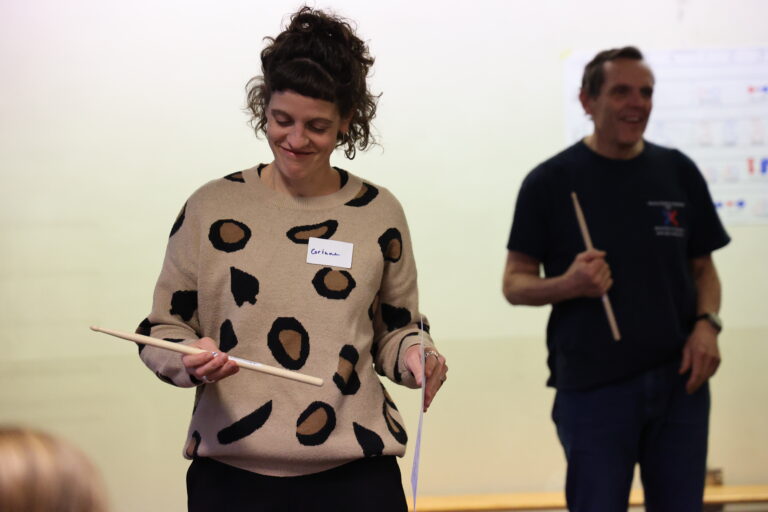
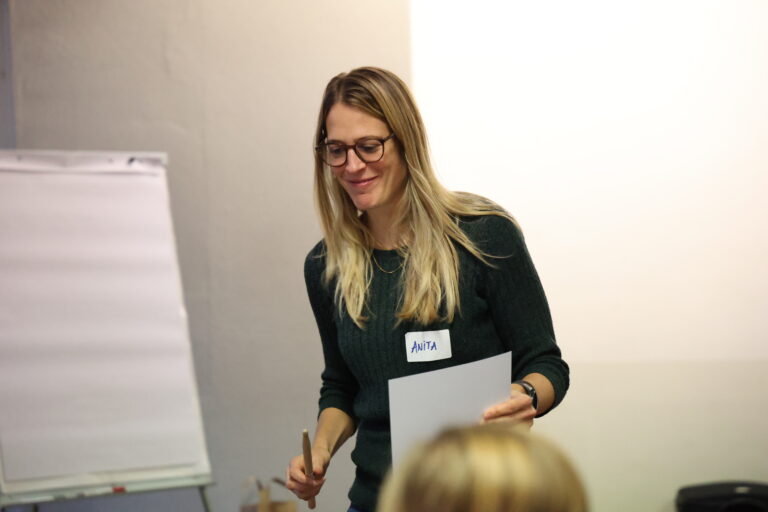
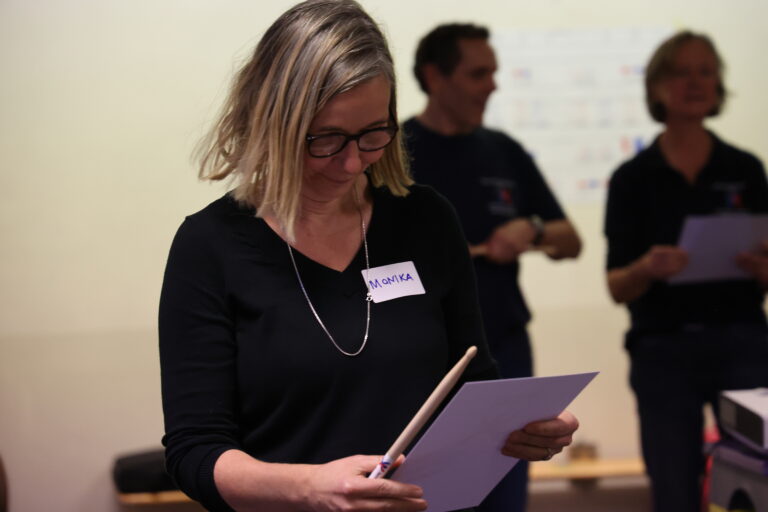
The Ronnie Gardiner Method (RGM): A Multisensory Training System for the Brain and Body
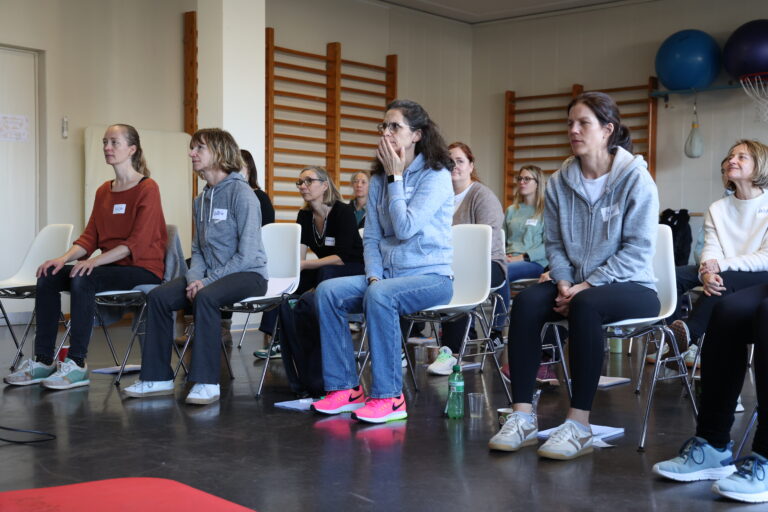
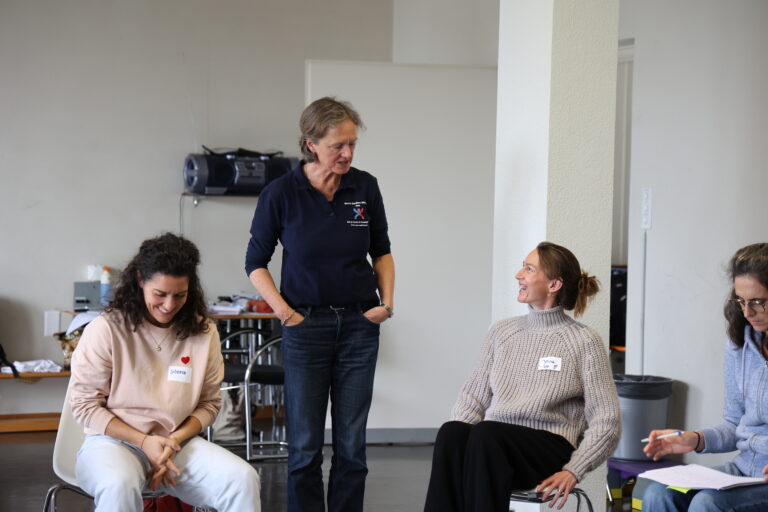
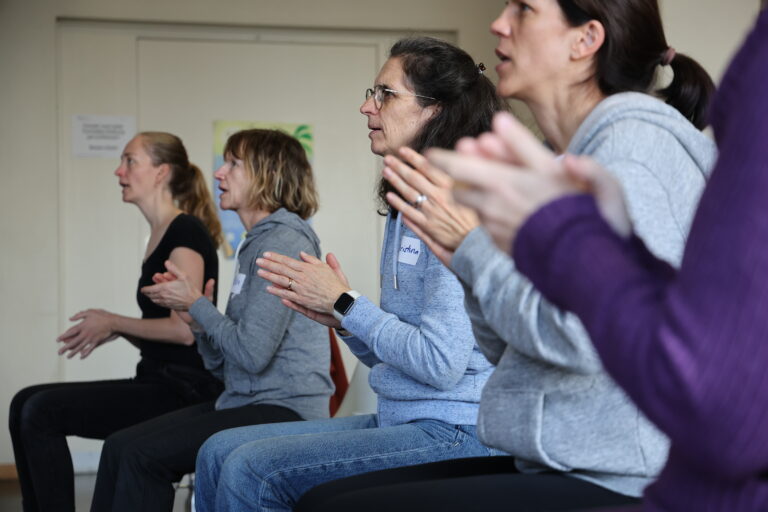
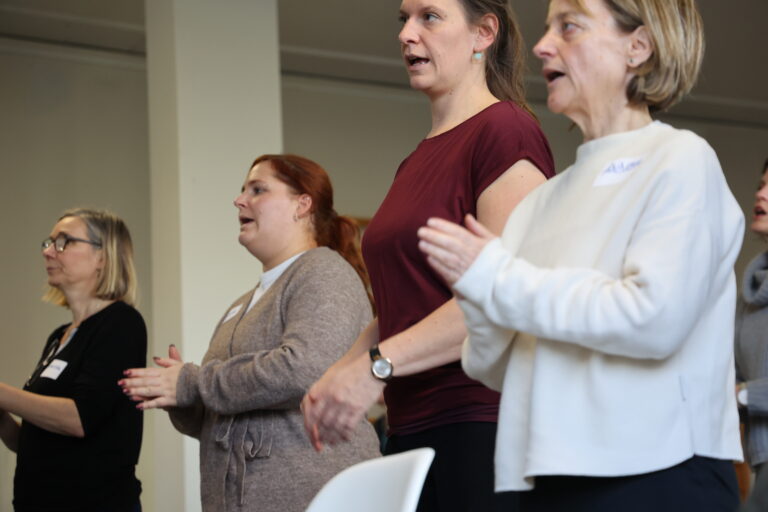
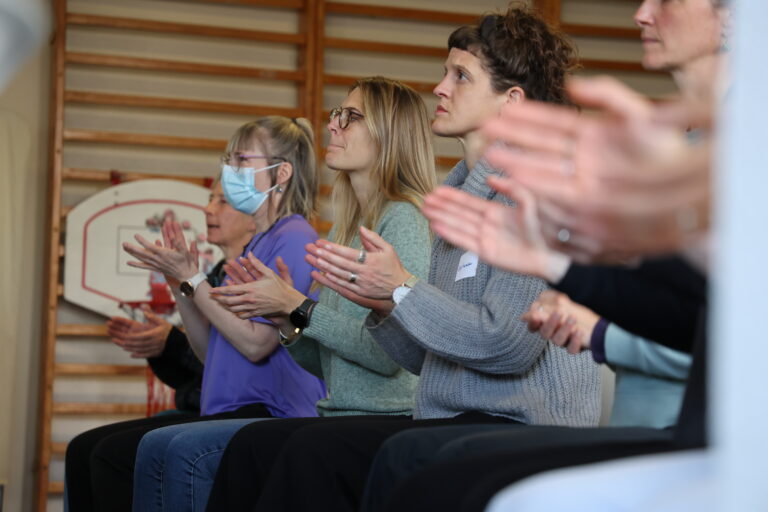
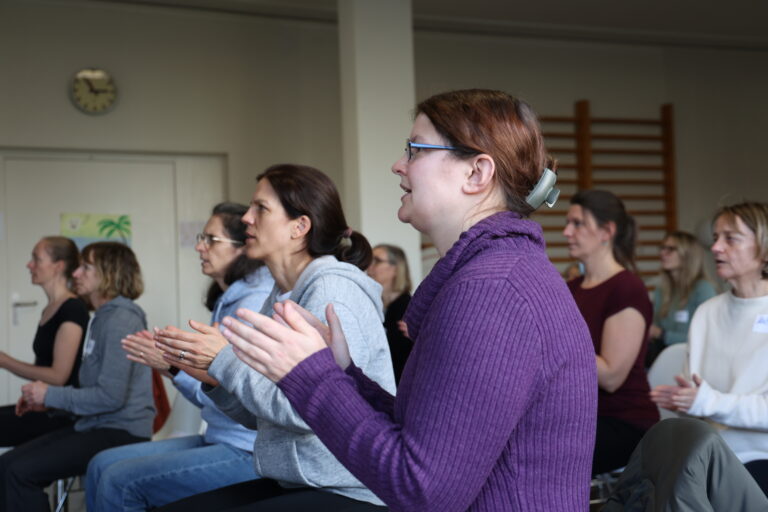
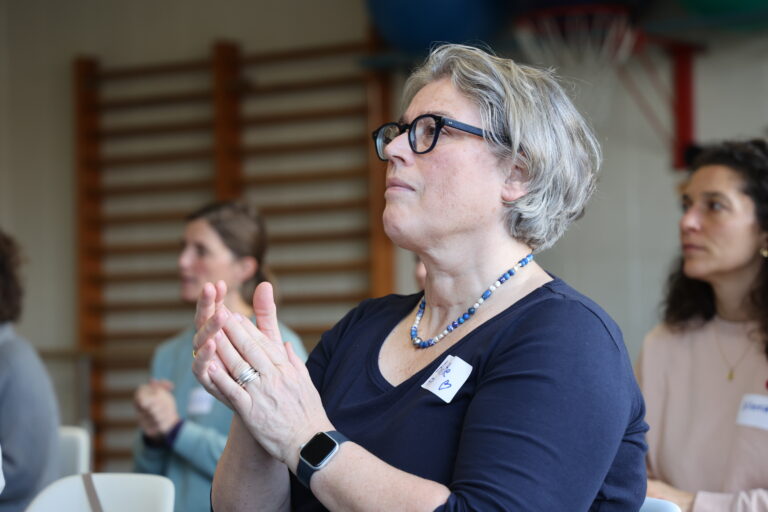
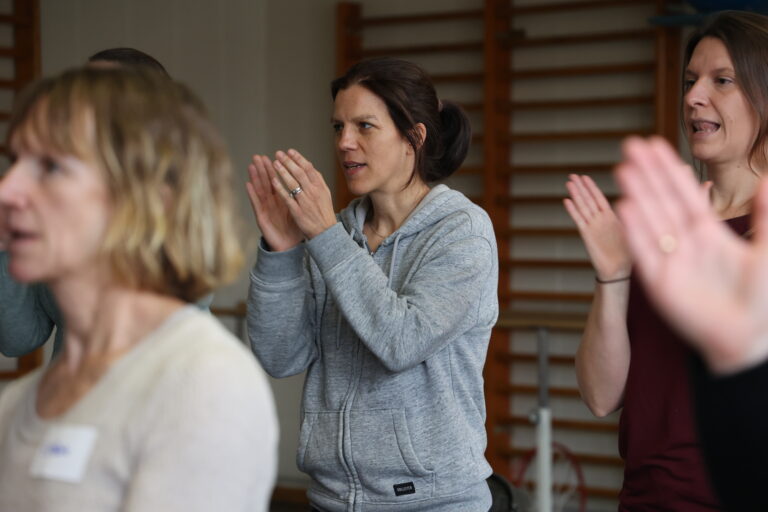
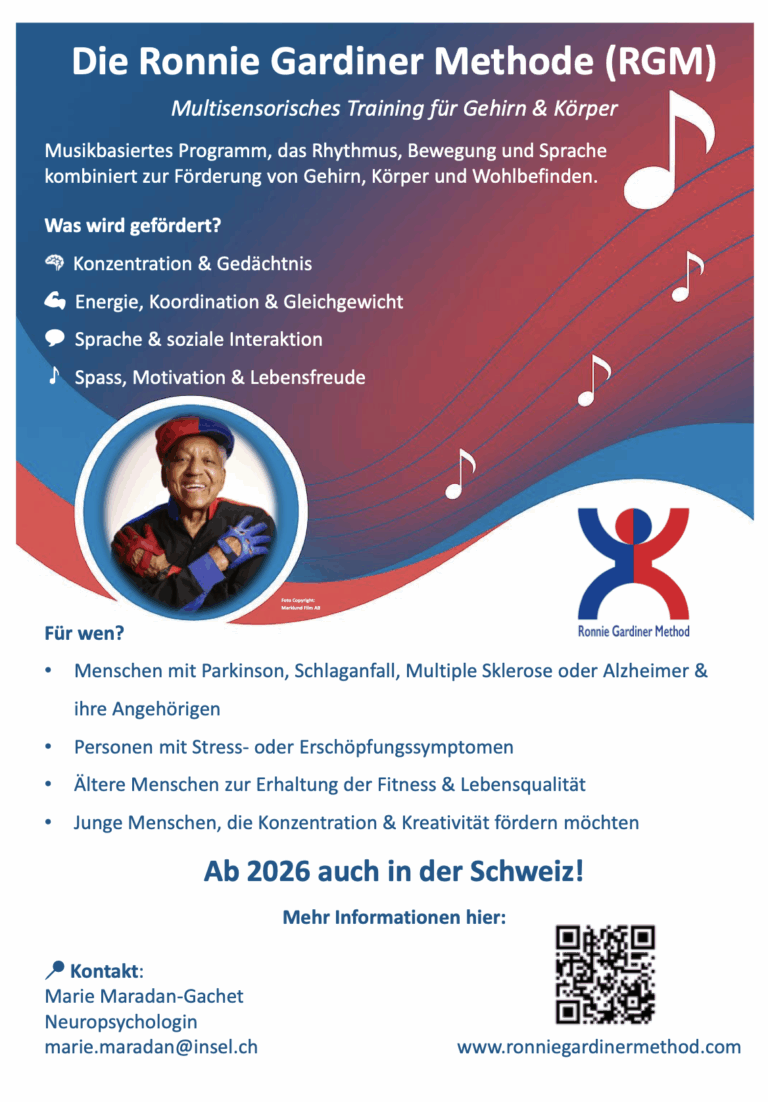
The Ronnie Gardiner Method (RGM) is an innovative, music-based training program that uses rhythm, movement, and multi-sensory stimulation to enhance both cognitive and physical function. By combining music, speech, and coordinated body movements, RGM offers a dynamic and enjoyable way to support brain health and overall well-being.
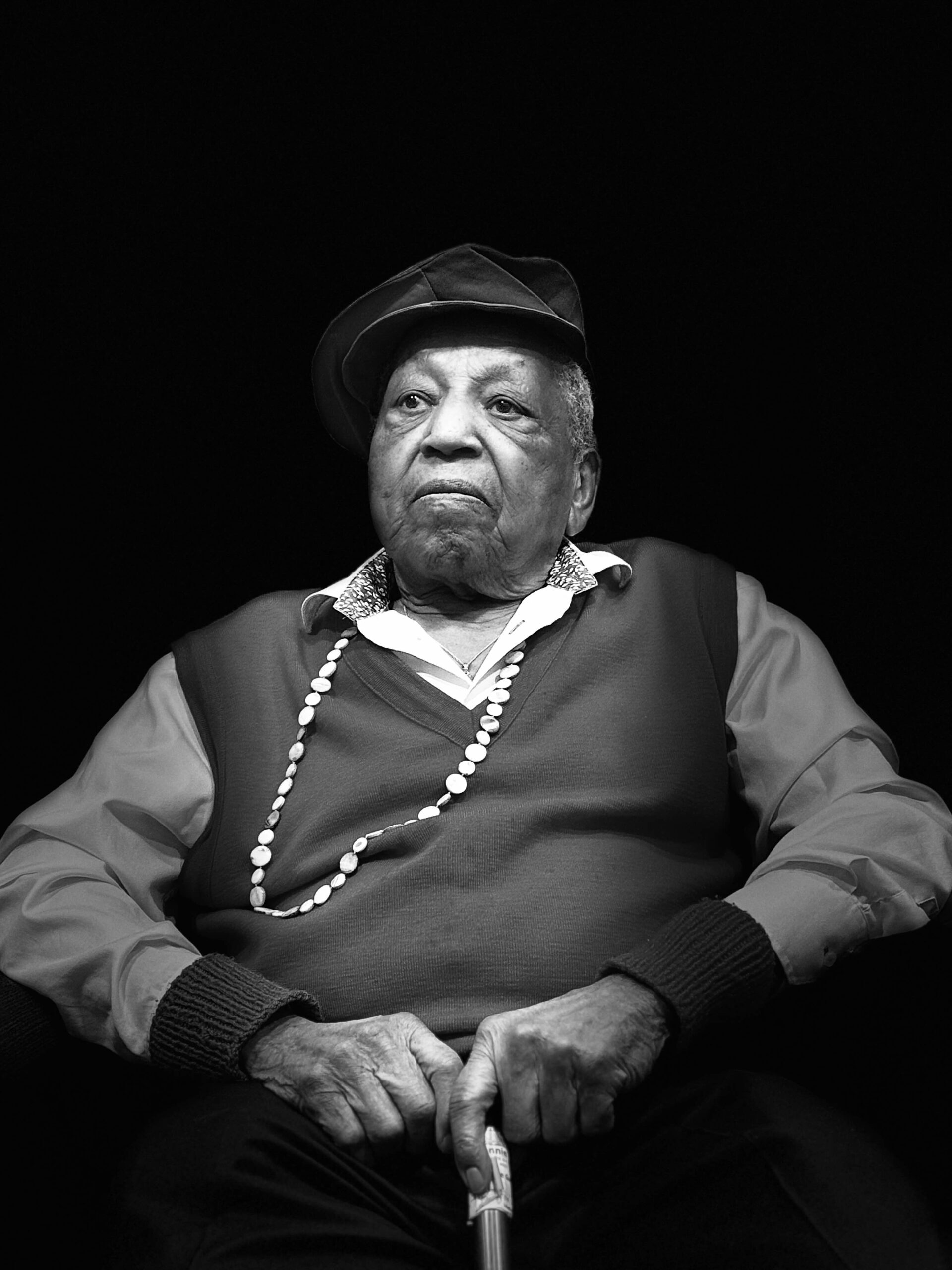
Developed in the 1980s by American jazz drummer Ronnie Gardiner, the method was originally created to help children improve their musical and motor skills. Over time, it became clear that RGM was also highly effective for individuals with neurological conditions such as stroke, Parkinson’s disease (PD), multiple sclerosis (MS), and dementia as well as older adults with Mild Cognitive Impairment (MCI) and healthy individuals seeking to maintain mental sharpness and physical coordination.
By engaging multiple areas of the brain simultaneously—including those responsible for vision, hearing, movement, speech, memory, and touch—RGM offers a uniquely powerful approach to improving brain function and overall quality of life.
How RGM Works
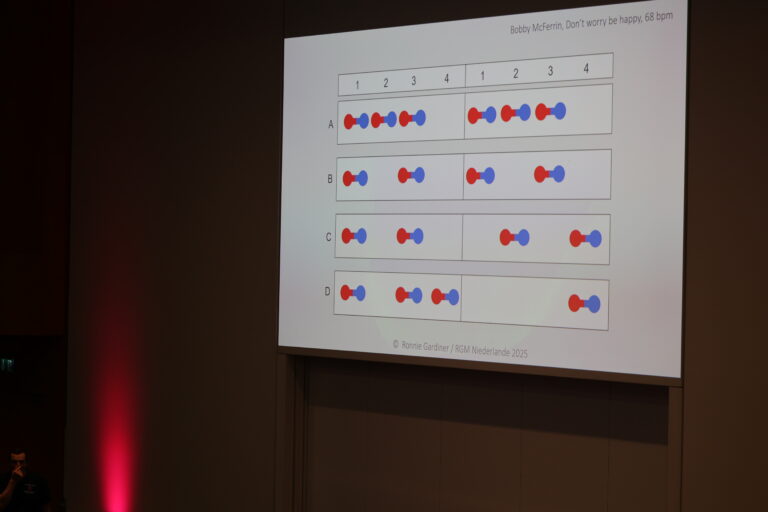
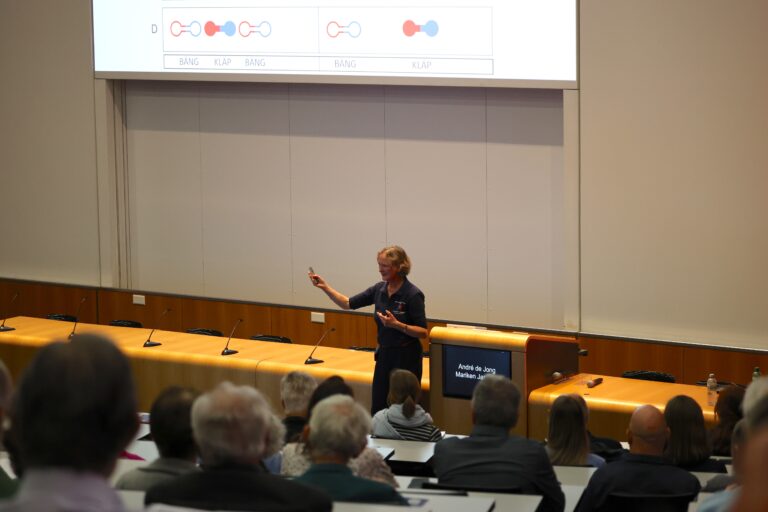
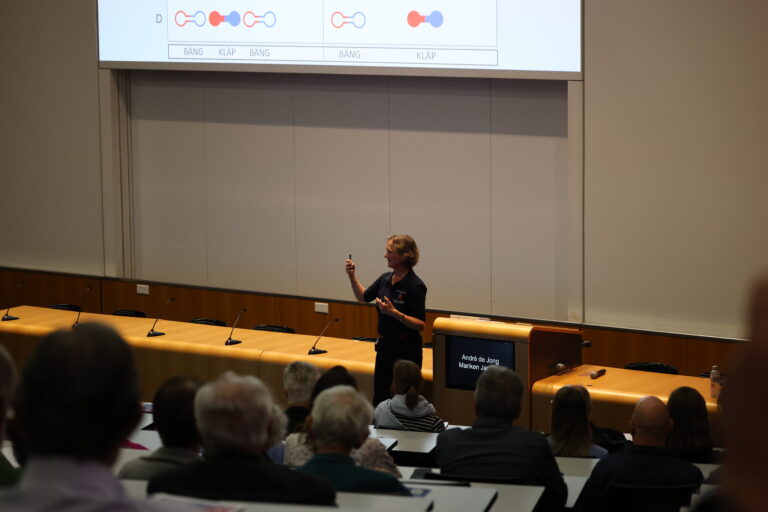
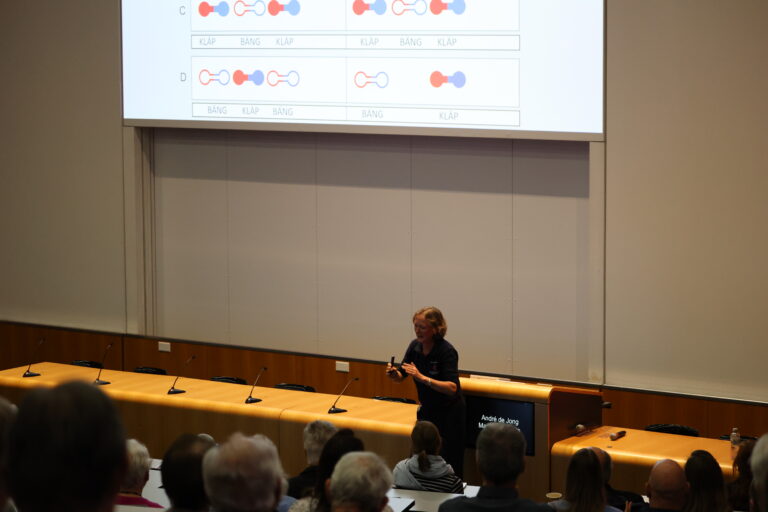
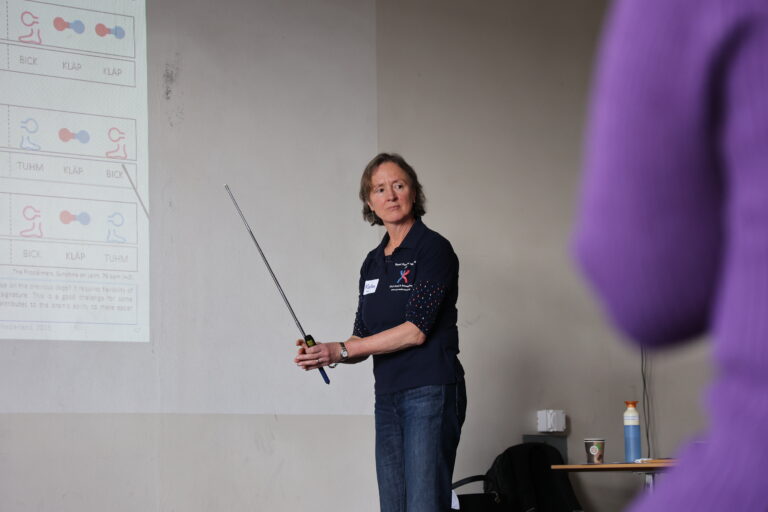
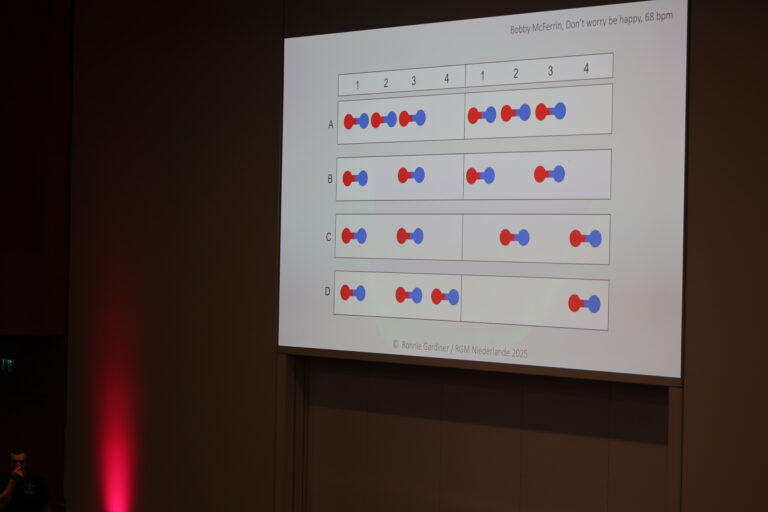
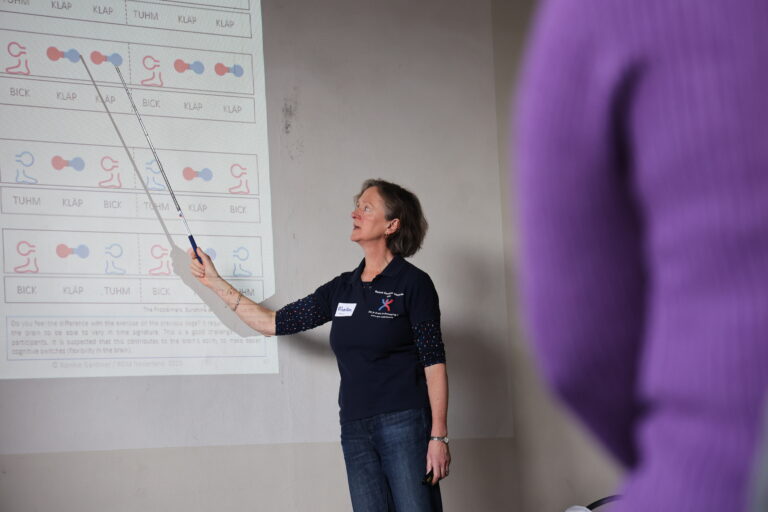
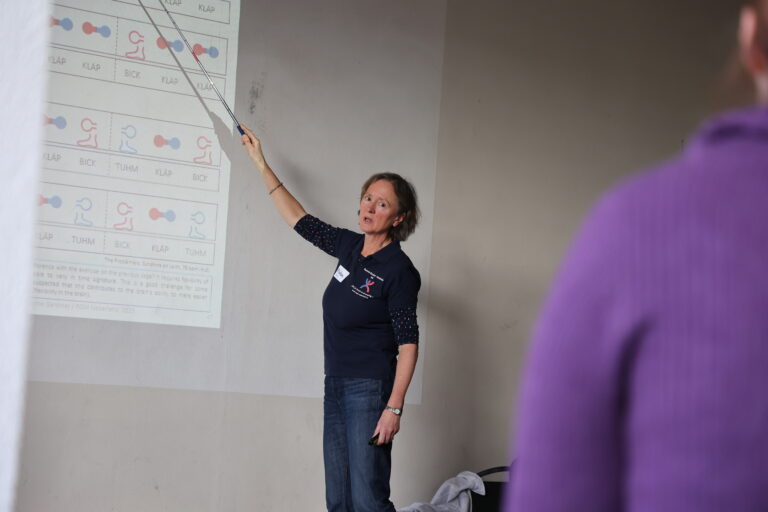
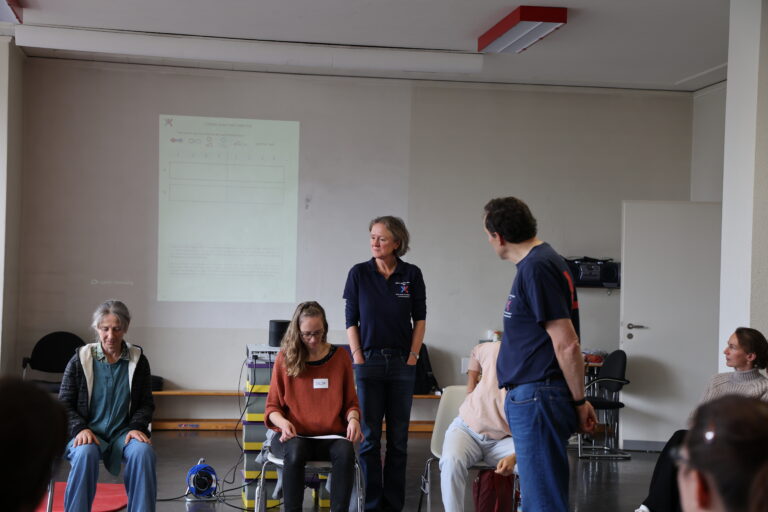
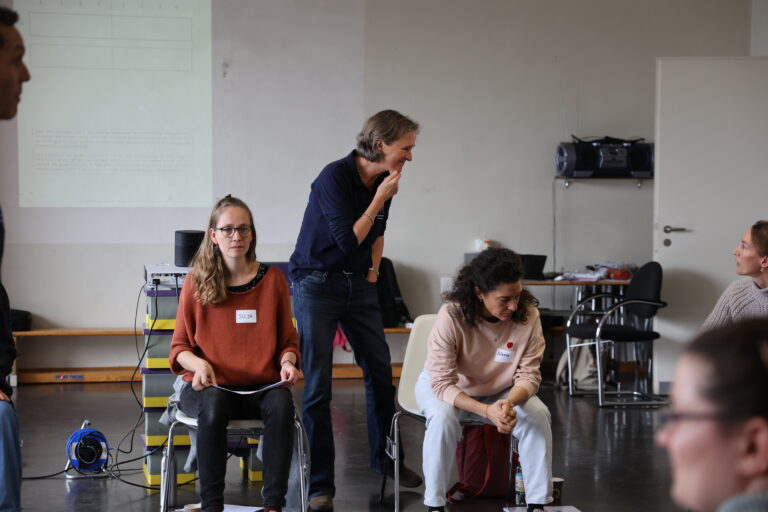
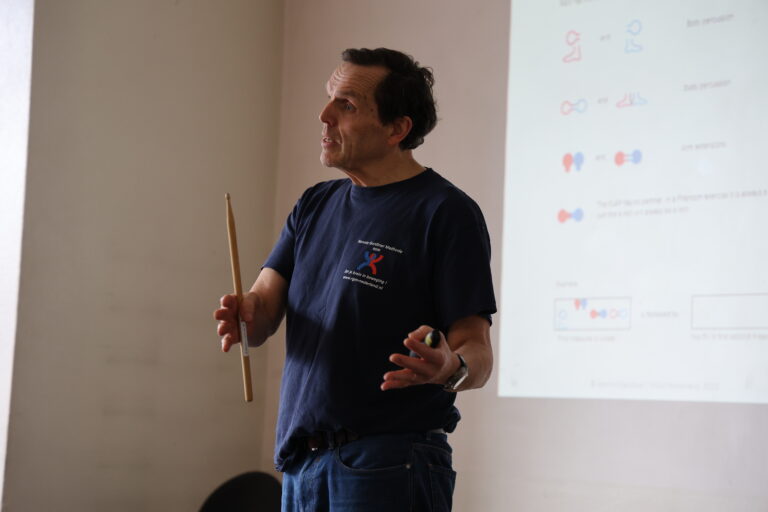
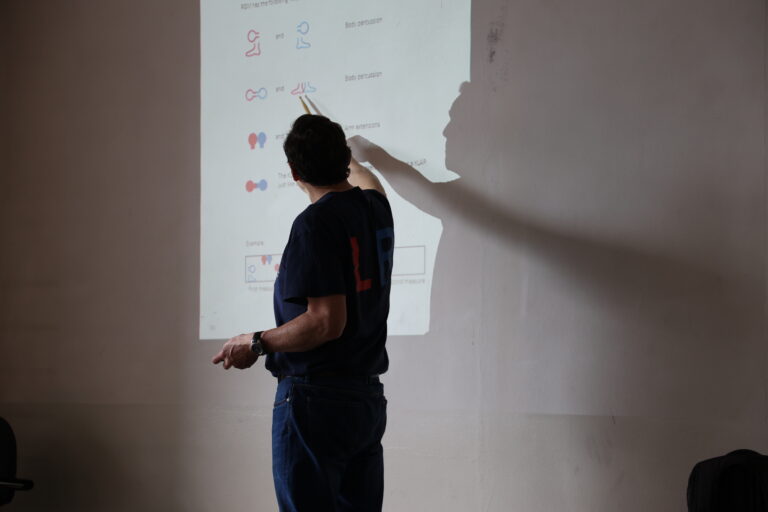
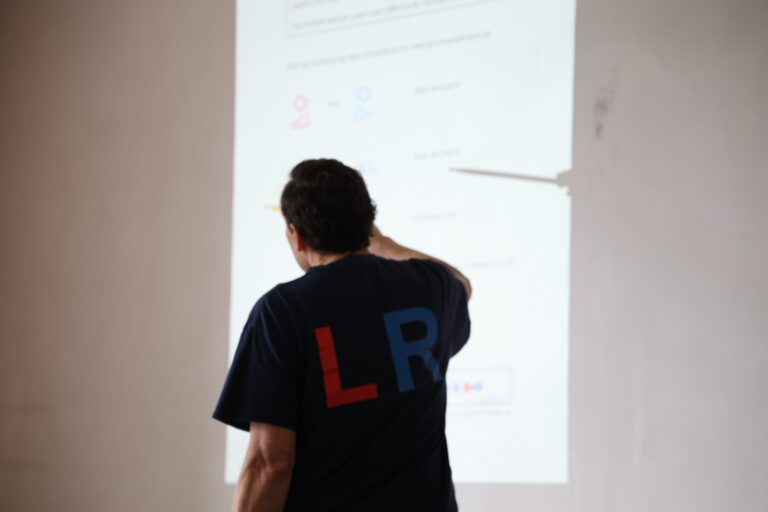
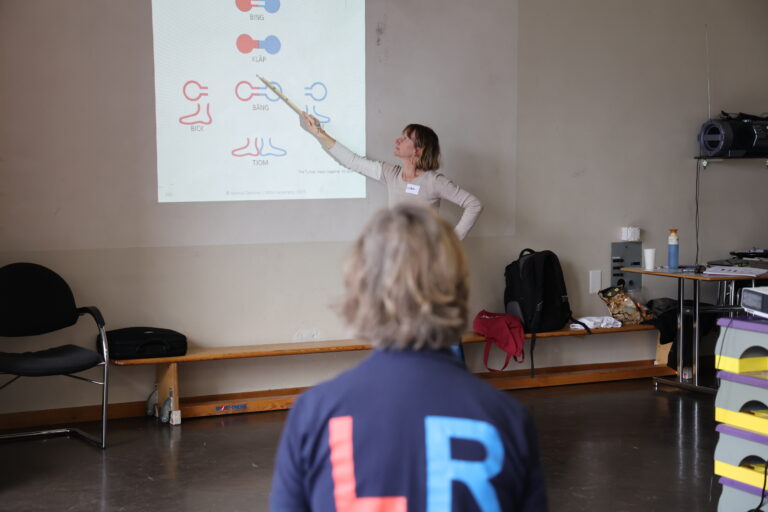
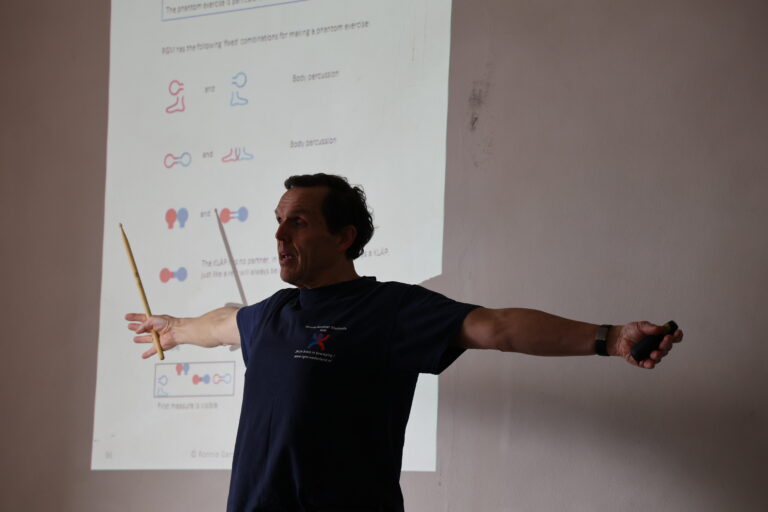
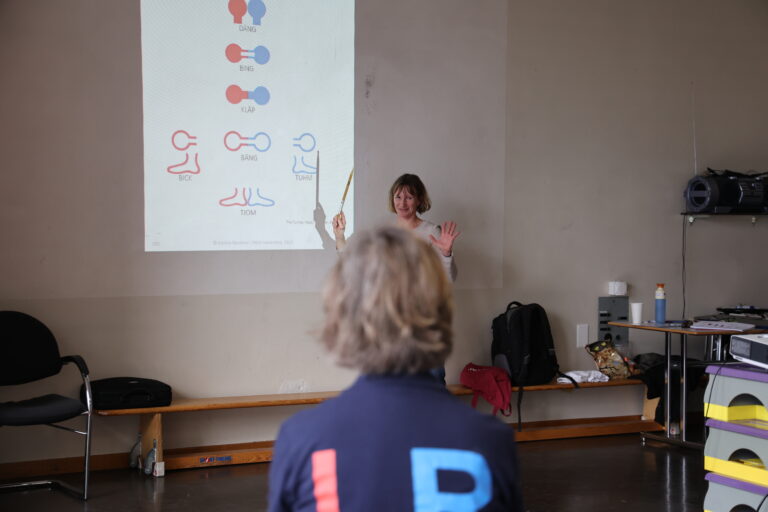
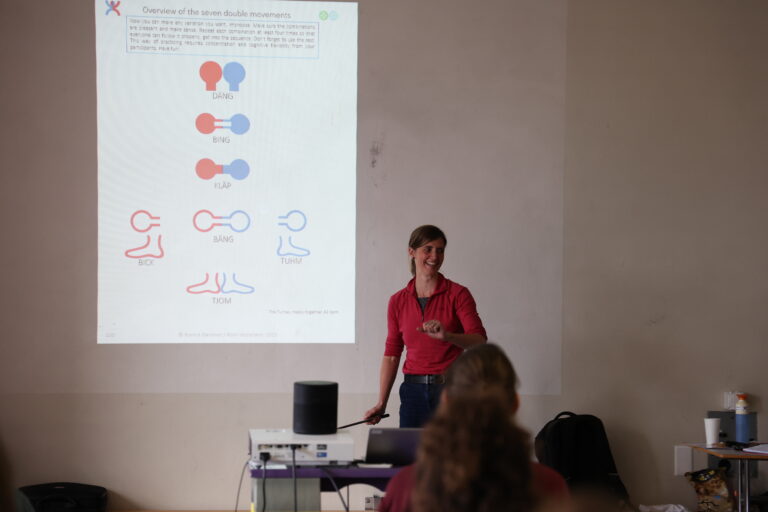
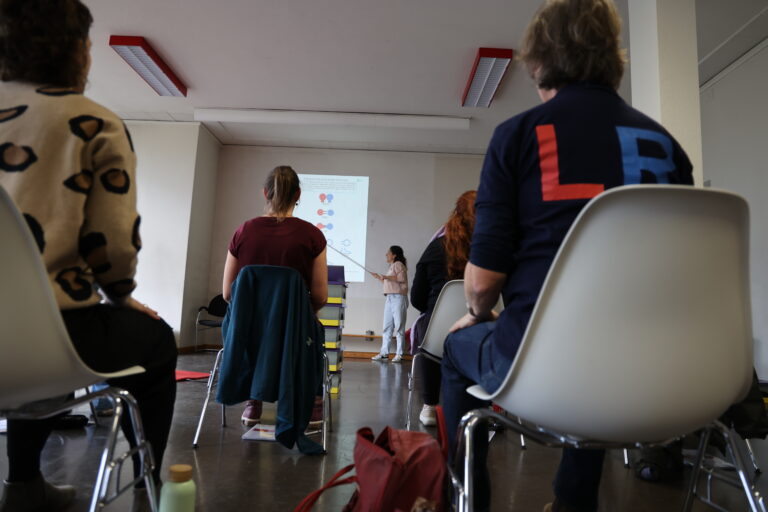
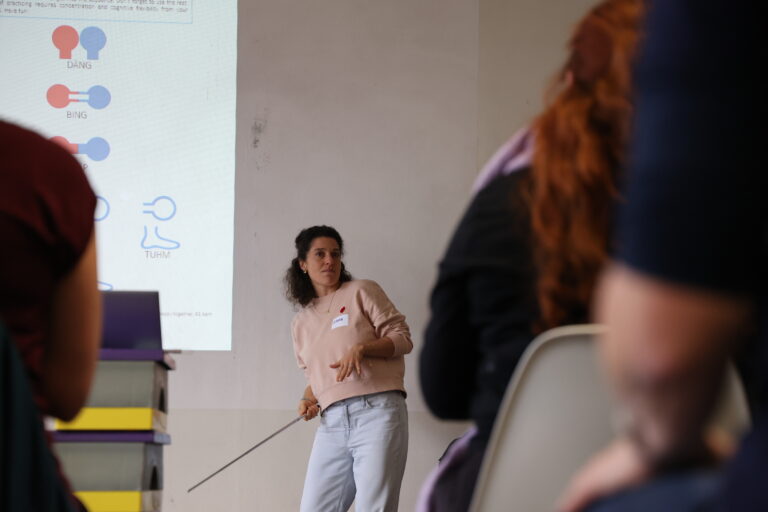
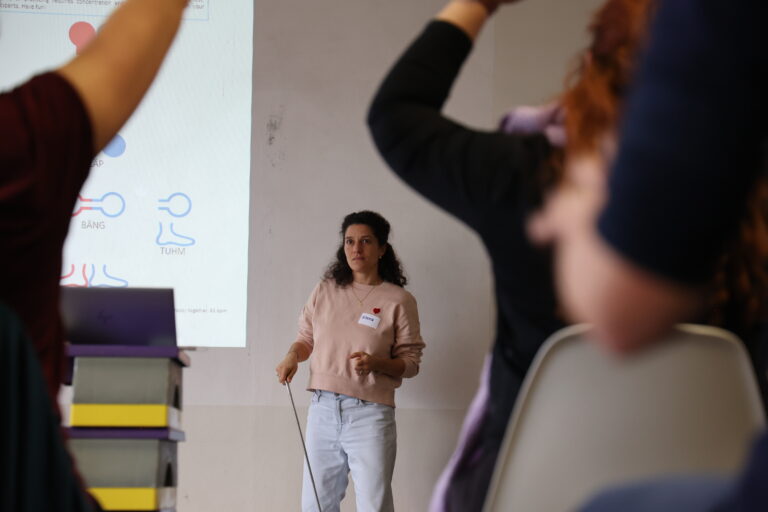
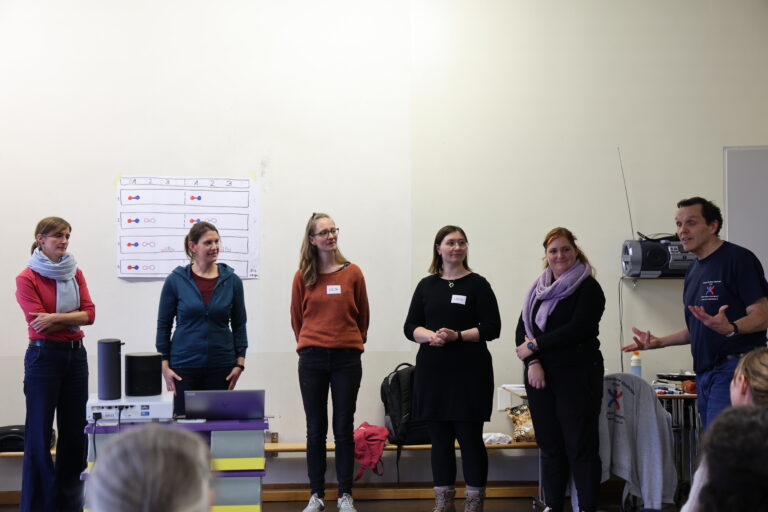
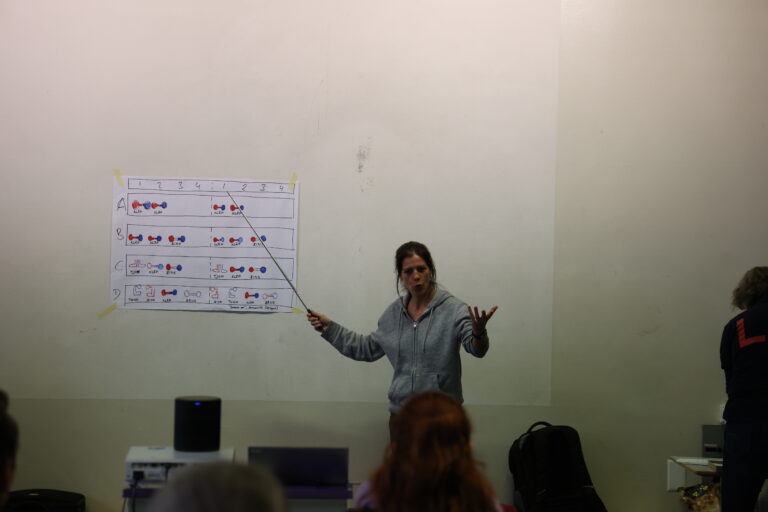
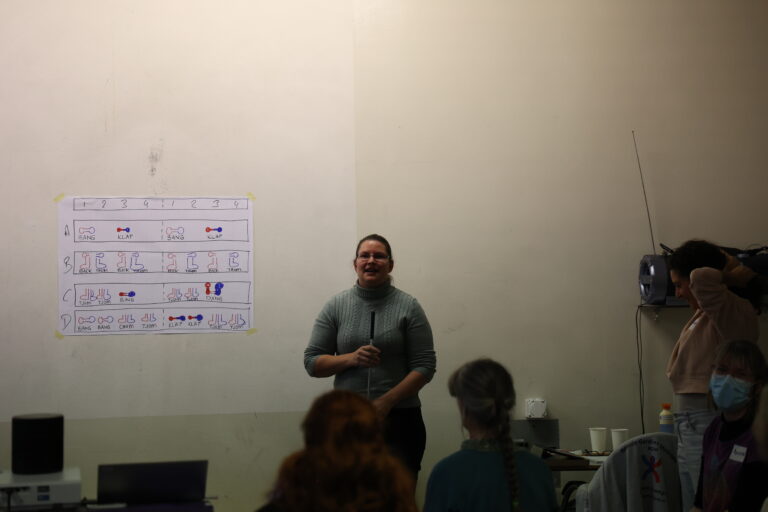
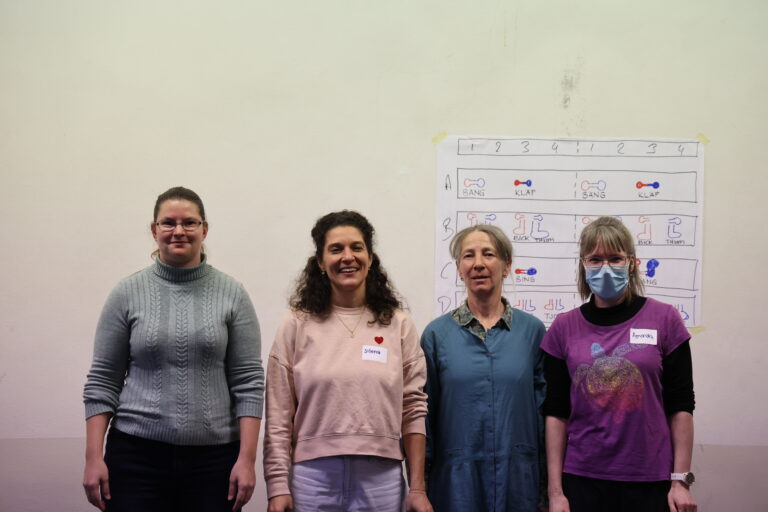
Symbol-Based Script: At the heart of the method is a unique system of symbols that guide participants through progressively challenging exercises. These symbols combine visual, auditory, and physical cues to stimulate multiple areas of the brain simultaneously.
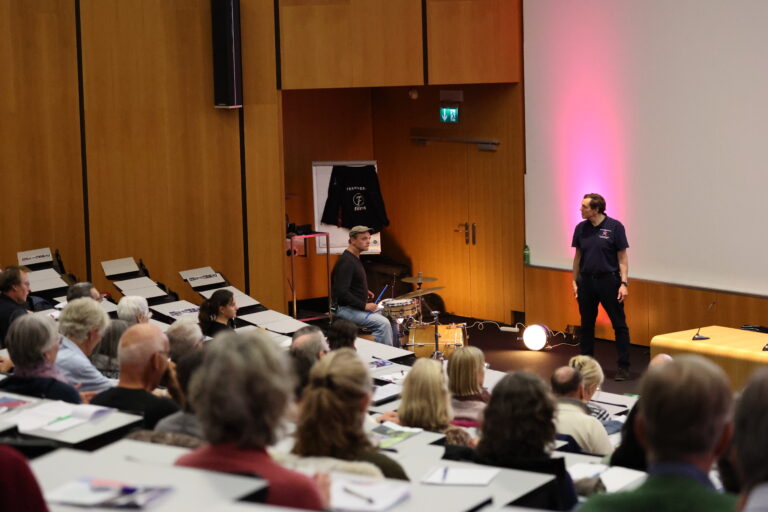
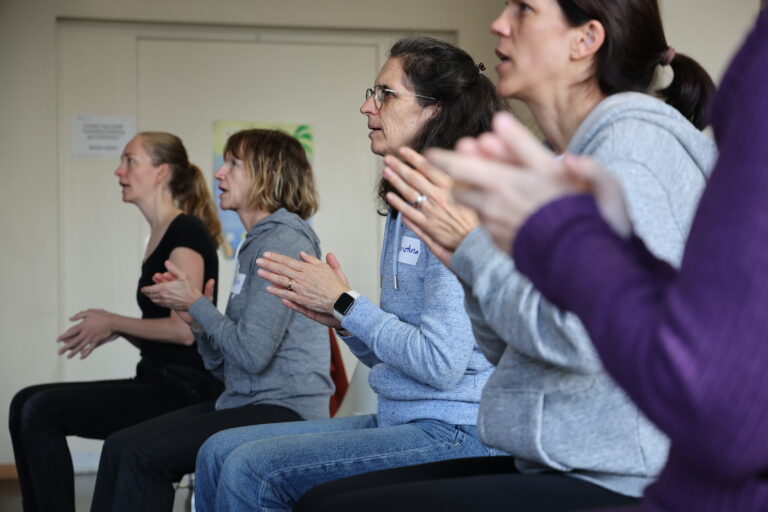
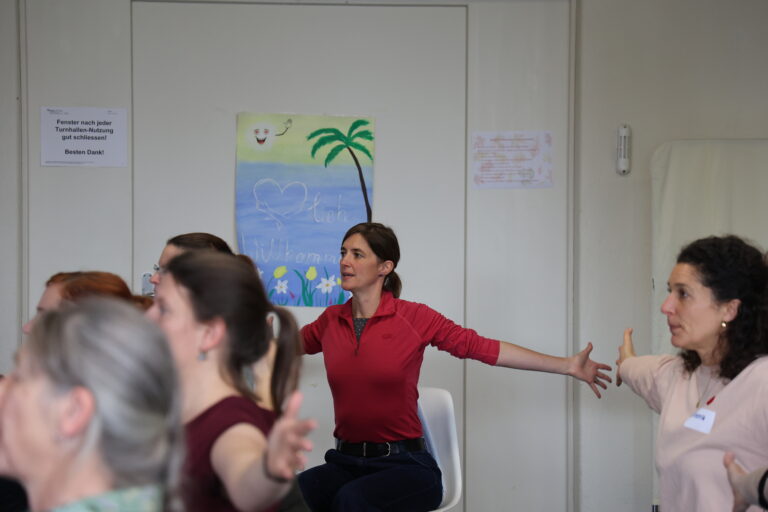
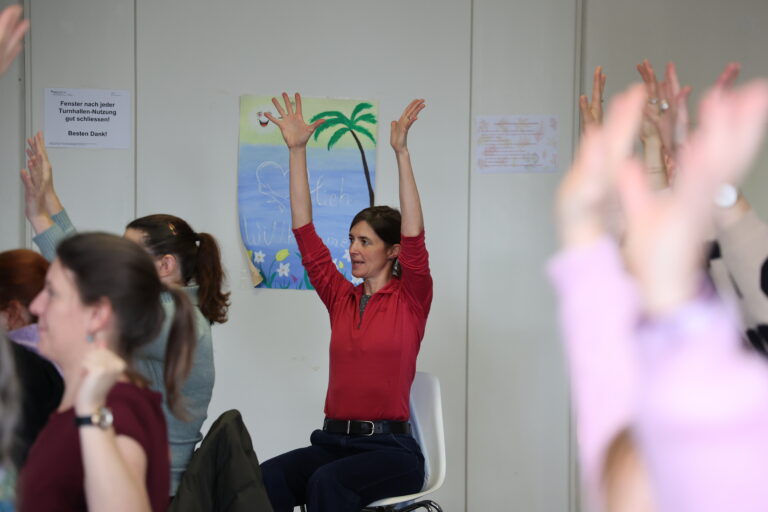
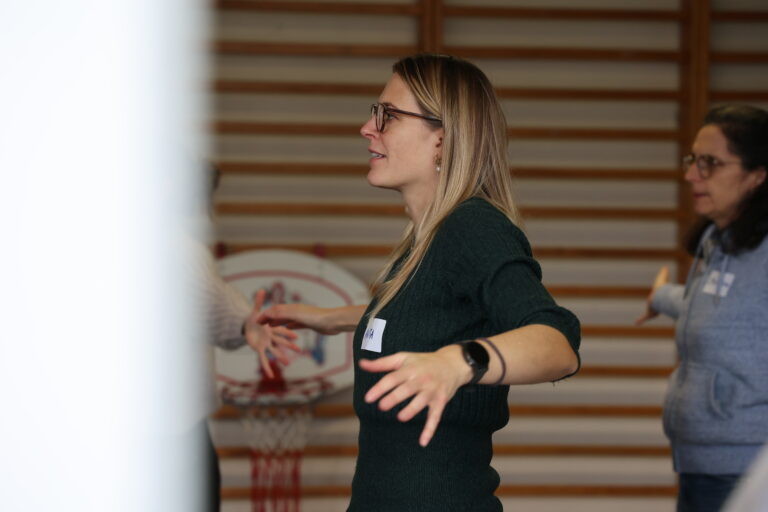
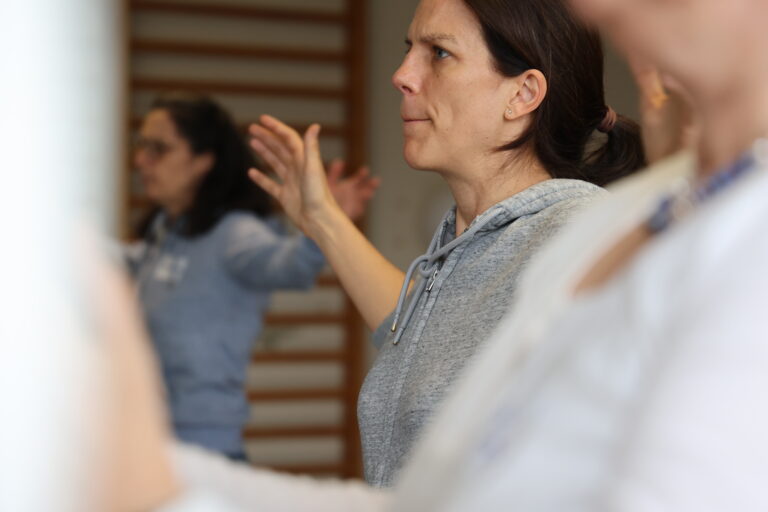
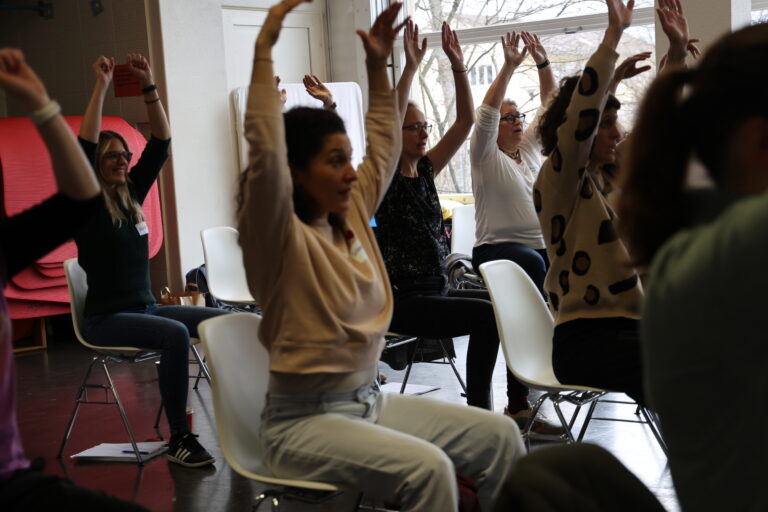
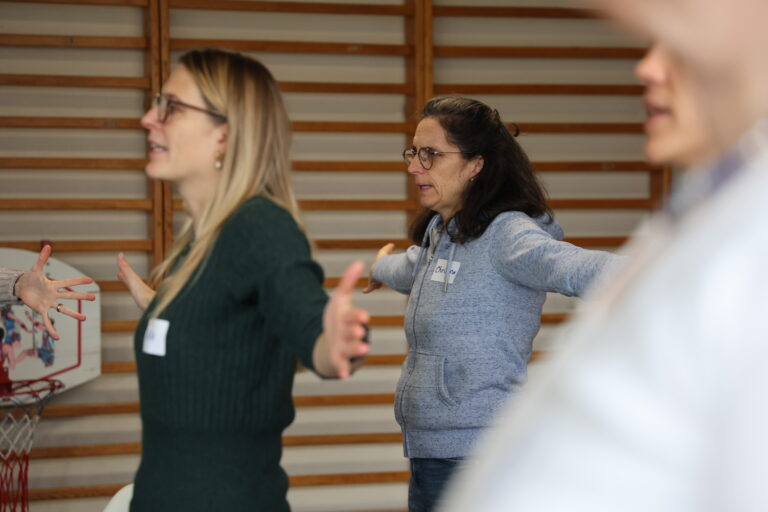
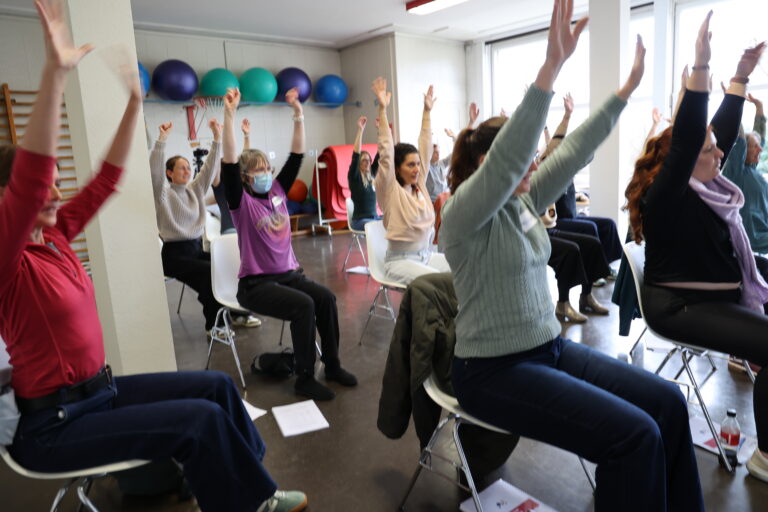
Music and Movement: Rhythm is central to RGM. Music enhances engagement and enjoyment while guiding coordinated movements that improve balance, timing, and spatial awareness.
Dual Cognitive and Physical Engagement: By combining movement, rhythm, and cognitive tasks, RGM challenges the brain and body together an approach known to promote stronger neuroplasticity.
Benefits of RGM
- Cognitive Enhancement: RGM can delay cognitive decline and improve mental flexibility, memory, attention and speech.
- Physical Function: The method strengthens energy, coordination, balance, and motor skills, which are key for fall prevention and overall mobility.
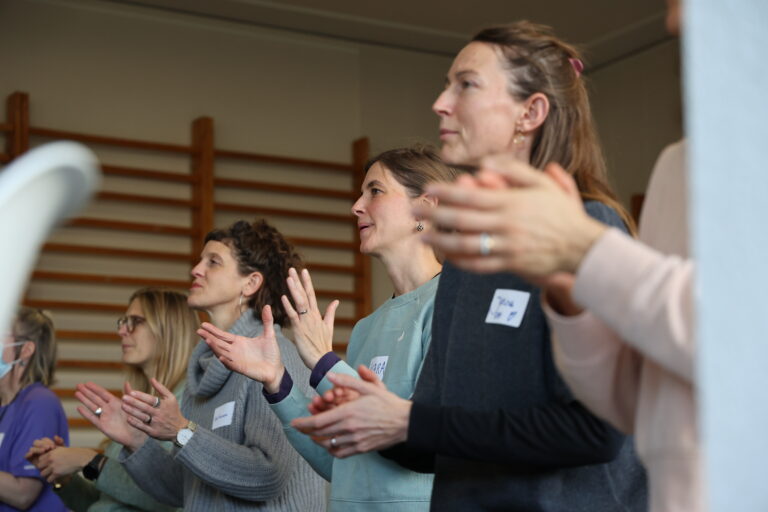
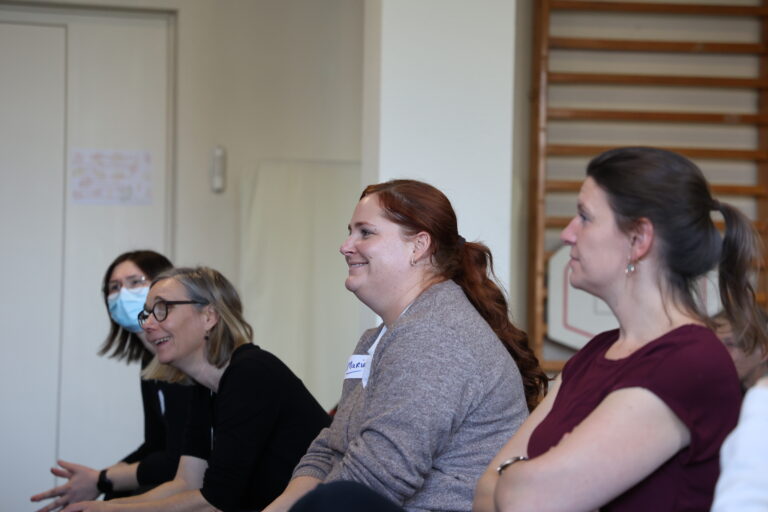
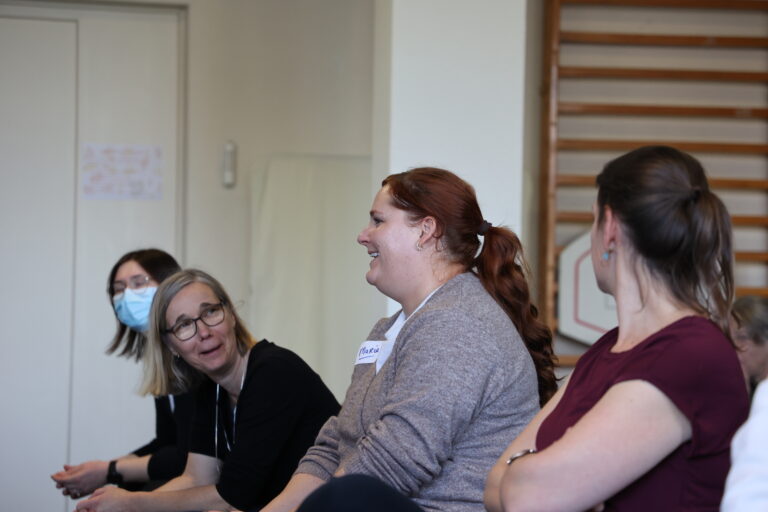
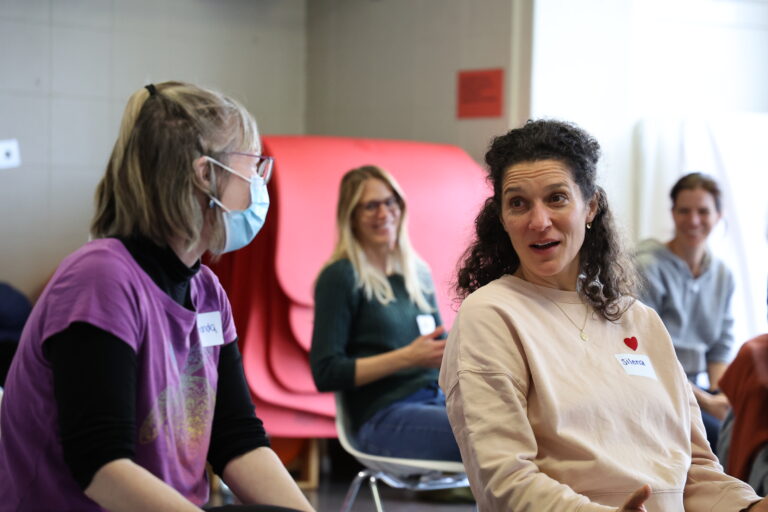
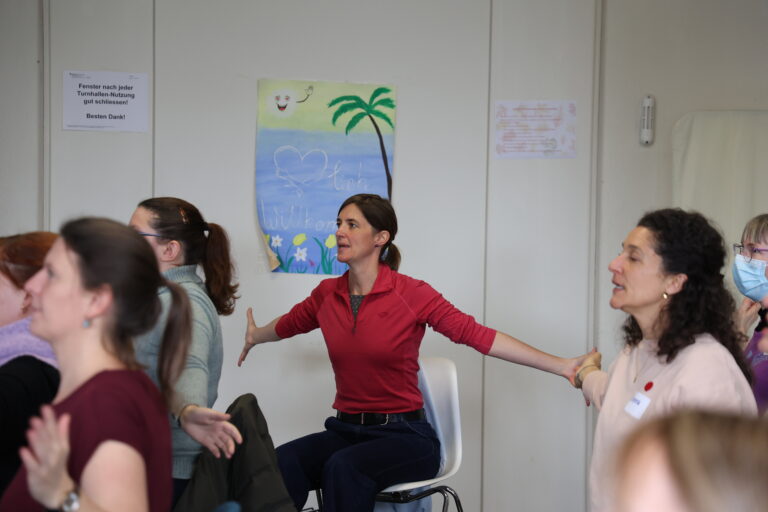
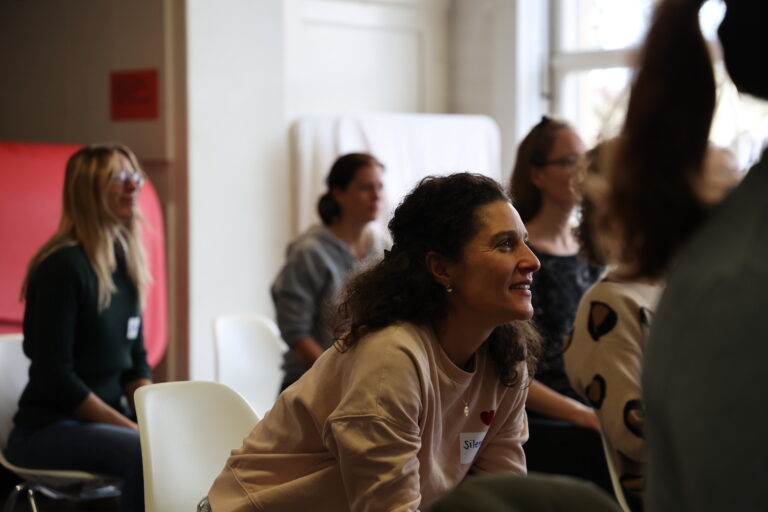
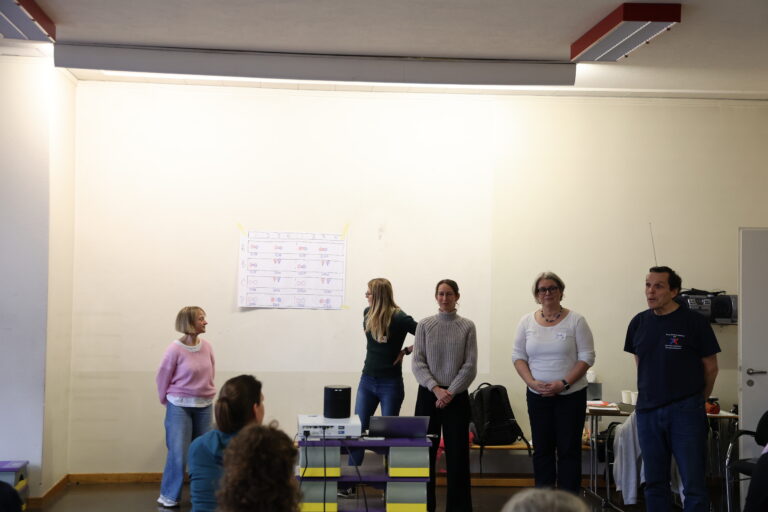
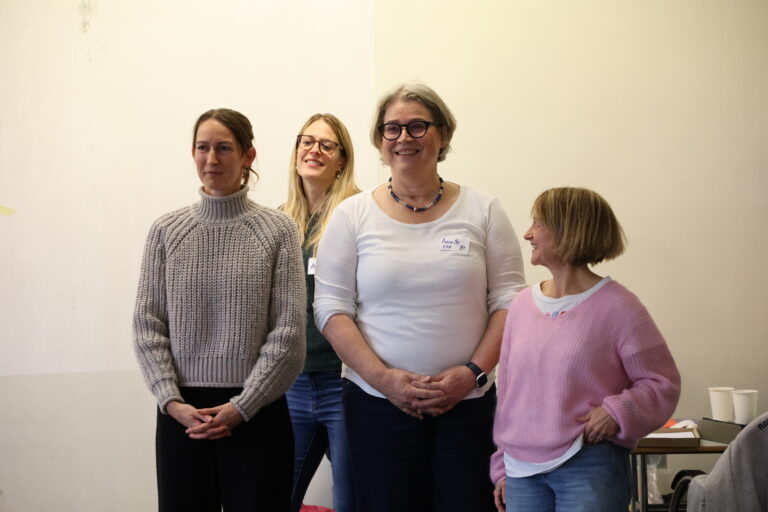
- Social Interaction: Group sessions foster community and connection, contributing to a better mood and overall emotional well-being.
Who Can Benefit
People with:
- Parkinson’s disease
- Individuals recovering from stroke
- People with Multiple Sclerosis (MS)
- People with Mild Cognitive Impairment (MCI) or dementia
- People with Stress, Burnout, and Depression
- Healthy older adults aiming to stay mentally and physically fit
- Young adults seeking to improve cognitive functioning and social skills
RGM offers a fun, evidence-based approach to whole-brain and body wellness using rhythm as a powerful tool for rehabilitation, maintenance, and growth at any age. RGM can be adapted to (almost) all levels, from very simple to extremely complex exercises, depending on the target group’s ability and the objectives.
——————————————————–
German